THE RETURN
As I return to Pen Cob, my first thought is how quiet it is; my beloved Table 4 sits empty. Holding my breath, I approach the bar where the barman stops me with a recommendation for a drink. “I think you’ll like this one,” he says with a smile. How could I refuse? I take his advice and wander over to my table, pleasantly surprised by the enjoyable pint priced at just £1.79.
Sitting back at table 4 feels comfortable. Although it’s quiet, a few people are scattered around. They are mostly local people, with just a spattering of tourists. Even so the chinking of glasses and smells from the kitchen and food being carried around provides a comfortable air.
Of course, I went on to order the Korean chicken for lunch. Unlike the last couple of weeks, this was spot on enjoyable. It was just as I remembered it.
But look at the TV on the wall opposite that is new how did I not spot it. The football match with the sound off showing probably isn’t enough to keep me interested today.
Most of the conversation around is focused on yesterday’s American election. Various comments abound. I am gonna ignore this as this blog is nothing about politics.
As I settled in, I couldn’t help but think about the rich history surrounding Table 4. The building’s rich history is hinted at by photographs taken long ago. These images show how it used to be and the part it played in the community.
WHERE ARE WE
Instead, today we will concentrate on where we are and some history of where we are.
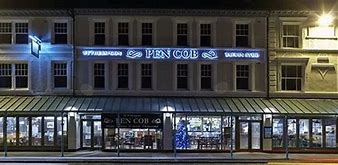
Table 4 is located in the Wetherspoons pub PEN COB. It is apparently named because of its location by the Cob (embankment road). This area was reclaimed from the sea in the early 1800s. It is one of the first things you will see when leaving the train station opposite. So where did this all begin.
The Temperance Hotel
Teetotalism
The first mention of the temperance hotel I can find predates 1930. To be honest, I have not spent days looking. The temperance hotel was one of many hotels owned by the Temperance movement. This movement formed in the USA to promote the abstinence from alcoholic beverages around 1835. Members were instructed to only drink pure water. And were known as the pure water army. By 1835 it had around 1.5 million followers.
Teetotalism in the UK
By 1833 teetotalism had made it way to what is now known as the UK and the Catholic temperance movement originated in 1838 started by an Irish Priest called Theobald Mathew who established the Teetotal Abstinence Society in 1938
The first temperance society in Wales was established in Holyhead in 1832 and by 1835 there were 25 in Wales. The movement goals were to reduce the use of alcohol particularly among the working class.
Local Significance:
The Temperance Hotel in Pwllheli was significant for its role in promoting teetotalism in the region. It served as a gathering place for those who supported the movement and sought to encourage sobriety within their communities. These Hotels were designed to cater for individuals and families who followed the temperance principles. Providing a safe place for teetotallers away from the temptation of alcohol.
Many families sought an alcohol-free environment especially when traveling with children.
Religious and other groups sought out alcohol free establishments for meetings. They also used them as travel stop overs in places that aligned with their values of abstinence.
Advantages to the Town
The presence of the Temperance Hotel brought several advantages to Pwllheli:
- Tourism Boost: It provided a unique accommodation option. This attracted visitors who preferred or required a sober environment. As a result, it boosted local tourism.
- Community Support: The hotel likely served as a venue for community events and gatherings. This fostered local engagement and supported temperance movements.
- Economic Contribution: As a business, the hotel contributed to the local economy through job creation. It also attracted spending from guests who utilized other local services and attractions.
The Temperance Hotel played a significant role in promoting a lifestyle choice. This choice resonated with many in the community. Additionally, it enhanced Pwllheli’s appeal as a tourist destination.
The Bon Marche
In the early 1900’s the Bon Marche arrived in Pwllheli selling bed linen clothes and lingerie etc and in the 1930’s expanded by purchasing the Temperance Hotel and the joinery next door and continued trading until finally closing its doors for the last time in 2006
A developer bought the building. Planners gave the go ahead for a redevelopment plan in 2007. Yet, the developer was unable to raise the estimated £3.5 million pound for the project and the buildings repossessed by the Clydesdale bank.
Pen Cob
Wetherspoons bought the buildings and opened its doors as the Pen Cob in 2013. It is not one of the biggest Wetherspoons, but in my opinion, it’s the perfect size for its location. Friendly staff are always ready to answer questions about menus. They offer drink suggestions or just stop for a quick bit of banter. The open frontage gives a good view of what’s going on outside. The front opens up completely during the summer in good weather, providing a cooling breeze on a hot day. It is just the place to stop and people-watch, have some lunch, and enjoy a beer.
Am I gonna miss the goings on around table 4 from the busy summer season? Or is there something that will replace it for the winter months? This thought fills me with excitement and trepidation at the same time.
Does anyone have a story or interesting fact about their favorite local
Until next time at Table Four—keep laughing, enjoy life, and remember that mental health matters!
Tan y tro nesaf wrth fwrdd 4 chwerthin mwynhau bywyda chofio materion iechyd
#bloggerlife#ontheblog#theblogissue#bloggersgetsocial#lifestyleblogger#livethelittlethings#travelblogger#wanderlust#travelgram#beautifuldestinations#explore#wellnessblogger#mentalhealthmatters#wetherspoons#table4
 Tales from Table 4
Leave a comment